
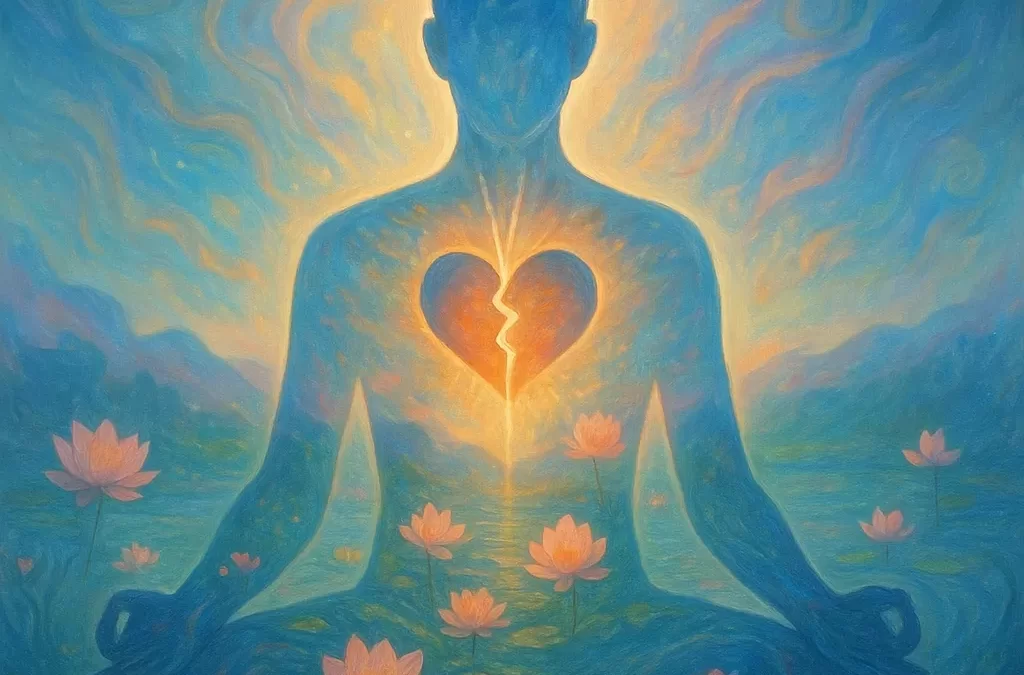
What is Inner Healing and How Does It Help with Emotional Well-Being?
What is Inner Healing and How Does It Help with Emotional Well-Being?
Inner healing is a therapeutic process that focuses on addressing unresolved emotional wounds, traumas, and negative patterns from the past. By working through these internal issues, individuals can experience greater emotional well-being, resilience, and healthier relationships.
What is Inner Healing? (Definition)
Inner healing is a form of emotional healing that helps individuals identify, process, and release painful memories, beliefs, and emotions. The goal is to promote personal growth, self-awareness, and lasting well-being by resolving underlying emotional issues.
How Does Inner Healing Work?
Inner healing typically involves guided reflection, counseling, and therapeutic techniques to help people understand and transform their emotional responses. It encourages individuals to revisit past experiences in a safe environment, identify recurring patterns or triggers, and develop healthier coping mechanisms.
How Does Inner Healing Improve Emotional Well-Being?
Inner healing supports emotional well-being by releasing emotional pain, resolving trauma, and fostering a sense of peace and self-acceptance. It helps individuals break free from past patterns, improve self-esteem, and build healthier relationships with themselves and others.
Key Benefits of Inner Healing for Emotional Health
Reduces anxiety, depression, and emotional stress
Improves self-awareness and emotional intelligence
Fosters forgiveness and letting go of resentment
Supports healthier relationships
Enhances resilience to future challenges
Promotes self-compassion and acceptance
What Are Common Techniques Used in Inner Healing?
Practitioners use a range of therapeutic techniques. Some combine traditional forms of psychotherapy with spiritual or mindfulness-based approaches.
Technique
Description
Related Concepts
Inner Child Work
Healing childhood wounds by connecting with the “inner child” within.
Attachment, childhood trauma
Guided Imagery
Using visualization techniques to revisit and reframe past memories.
Visualization, mindfulness
Cognitive Behavioral Therapy (CBT)
Changing negative thought patterns and beliefs.
Talk therapy, beliefs
Journaling and Self-Reflection
Writing to process emotions and gain insights into personal experiences.
Self-awareness, processing
Prayer, Meditation, and Mindfulness
Spiritual or meditative practices for emotional release and centering.
Mindfulness, spirituality
Is Inner Healing the Same as Therapy?
Inner healing and therapy often overlap but are not identical. Both aim for emotional healing, but therapy is usually guided by licensed mental health professionals and follows established clinical methods, such as psychotherapy, cognitive behavioral therapy, or trauma therapy.
Inner healing may also include spiritual or faith-based approaches and can be practiced individually or with the support of coaches, spiritual leaders, or support groups.
What Issues Can Inner Healing Address?
Inner healing can help with a wide range of emotional and psychological issues, often connected to past experiences or chronic patterns.
Childhood trauma or neglect
Abuse or unresolved grief
Low self-esteem
Persistent anxiety, guilt, or shame
Negative self-beliefs or limiting patterns
Difficulty forming healthy relationships
What Are Other Ways People Ask About Inner Healing?
What is inner healing prayer?
How does inner healing work?
Is inner healing effective for trauma?
How can I heal from emotional pain?
What are techniques for inner healing?
Does inner healing require a therapist?
Can inner healing help with anxiety and depression?
How Long Does Inner Healing Take?
The time required for inner healing varies based on individual circumstances, the depth of emotional wounds, and chosen methods. For some, significant progress happens in weeks, while others may need months or ongoing support. Consistency and a supportive environment greatly enhance the healing process.
What is the Connection Between Inner Healing and Related Concepts?
Inner healing is closely related to other therapeutic and personal growth approaches, including:
Emotional Intelligence: Understanding, managing, and expressing emotions in healthy ways.
Mindfulness: Being present and aware of emotions without judgement.
Trauma-Informed Care: Recognizing and responding to the impact of trauma.
Self-Compassion: Treating oneself with kindness and understanding during emotional pain.
Forgiveness Therapy: Letting go of resentment and seeking emotional freedom.
What Are the Steps in the Inner Healing Process?
While every journey is unique, the inner healing process often follows several key stages:
Acknowledgment: Becoming aware of unresolved emotional wounds or patterns.
Exploration: Gently revisiting key moments, memories, or triggers.
Processing: Expressing, feeling, and understanding the emotions connected to these experiences.
Release: Letting go of negative emotions or beliefs through forgiveness, acceptance, or reframing.
Integration: Developing new, healthier patterns and perspectives for the future.
Inner Healing vs. Other Emotional Well-Being Approaches
Approach
Focus
Typical Methods
Inner Healing
Resolving past emotional wounds and trauma
Reflection, guided imagery, forgiveness
Talk Therapy
Current issues and mental health diagnoses
CBT, psychotherapy, counseling
Mindfulness
Present moment awareness and stress reduction
Meditation, breathing exercises
Self-Help
Personal growth and self-care
Books, courses, workshops
FAQ: Common Questions About Inner Healing and Emotional Well-Being
1. Can inner healing be done alone or do I need a professional?
Inner healing can start with self-reflection and personal practices, but professional guidance from a therapist, counselor, or coach often provides deeper and safer support, especially when dealing with complex trauma.
2. Is inner healing related to spirituality or religion?
Inner healing can have spiritual or religious elements, such as prayer or faith-based reflection, but secular therapeutic approaches are also widely used. The process is adaptable to personal beliefs.
3. What are signs that I might benefit from inner healing?
Persistent feelings of sadness, anger, anxiety, deep-seated guilt, or recurring relational difficulties often indicate unresolved emotional wounds that could benefit from inner healing.
4. How do I get started with inner healing?
Begin with self-awareness practices like journaling, mindfulness, or guided self-reflection. For deeper exploration, consider working with a qualified therapist or joining a support group.
5. What are the risks or challenges of inner healing?
Re-experiencing painful memories can be emotionally intense. Having a supportive environment and, when needed, professional guidance helps manage emotional overwhelm and ensures safety during the process.
6. How will I know if inner healing is working?
Positive changes may include improved mood, reduced emotional triggers, better relationships, increased self-acceptance, and greater overall emotional resilience.
7. Can children or teens benefit from inner healing?
Yes, age-appropriate techniques guided by professionals can help children and teenagers address early emotional pain, build self-esteem, and promote lifelong emotional health.
Inner healing is a powerful tool for emotional well-being, offering a pathway to release pain, develop self-awareness, and foster healthier patterns for a more fulfilling life.
“`
Leave a Reply